
If you are searching for an AI song generator, you usually want one of two outcomes: a track that sounds good enough to share, or a deeply personal song that means something to someone you care about. Most tools can give you quick audio. Far fewer can help you turn a moment, memory, or relationship into a song that feels emotionally true.
That is why choosing an AI song generator is less about “which app has the most buttons” and more about fit. Are you creating background music for a video, testing ideas for a melody, or giving a meaningful gift for a birthday, wedding, anniversary, memorial, or life milestone? Your goal should shape the tool you pick, the prompt you write, and the standards you use before you call the song finished.
In this guide, you will get a practical framework to choose the right AI song generator, avoid common mistakes, and create a stronger result on the first attempt. You will also see where a personalised approach from Song Wave Story can be the better choice when the song needs emotional impact, not just sound design.
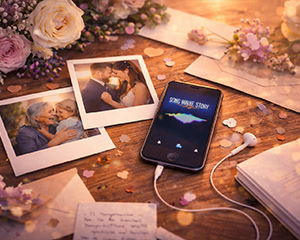
What is an AI song generator and when is it worth using?
An AI song generator is a tool that uses machine learning to help create music and, in many cases, lyrics and vocals. Some are designed for producers who want stems, genre control, and arrangement options. Others are made for non-musicians who want to type a short prompt and receive a complete song. Neither category is automatically better; each solves a different job.
It is worth using an AI song generator when speed matters, when you need creative momentum, or when you have an idea but not the technical skills to produce from scratch. It can shorten the path from “I have a feeling I want to express” to “I can actually hear this as a song.” For gift buyers, AI can also remove a big barrier: you no longer need to sing, play instruments, or hire a studio before exploring a custom track concept.
Where people get disappointed is expecting one click to produce a perfect, deeply personal result. Strong songs still need direction. The best outputs come from clear inputs: mood, relationship context, voice style, tempo preference, and the emotional destination you want the listener to feel by the final chorus.
How to choose the right AI song generator for your goal
Before comparing tools, define success in one sentence. Example: “I want a warm acoustic birthday song for my wife that mentions our first trip and our kids by name.” That single sentence instantly filters out platforms focused only on instrumental beats or production-heavy workflows.
Use this five-point decision test when evaluating options:
- Output type: Do you need full song plus vocals, instrumental only, or lyrics plus guide melody?
- Personalisation depth: Can you include real names, stories, and relationship details naturally?
- Control vs simplicity: Do you prefer advanced controls, or a faster guided process?
- Preview confidence: Can you hear examples or previews before committing?
- Use-case fit: Is the platform designed for content creators, producers, or meaningful gifting?
If your main use case is emotional gifting, prioritise personalisation and clarity over technical depth. Extra production settings will not help much if the song does not sound like it was made for the recipient.
Also decide the role of AI in your workflow. Some people want AI to draft ideas and then edit manually. Others want an end-to-end result quickly. Being honest about this prevents overbuying a complex platform you will rarely use.
A practical prompt formula that improves song quality fast
Most weak outputs come from thin prompts. A short prompt like “make a romantic song” gives the model almost no useful direction. A better prompt includes context, emotional arc, style, and specificity without becoming cluttered.
Try this structure: Recipient + Occasion + Memory anchors + Tone + Genre + Tempo + Message you want them to hear. For example: “Create a heartfelt anniversary pop-ballad for my husband Adam. Include our move from the UK to New Zealand, late-night kitchen dancing, and gratitude for his support. Keep the tone warm and hopeful, medium tempo, with a strong chorus about choosing each other every day.”
Then run a second pass focused on refinement. Ask for tighter verses, fewer clichés, clearer imagery, and a cleaner hook. You will usually get a bigger quality jump from prompt refinement than from random regeneration.
If your song feels generic, diagnose it with three quick checks. First, remove any line that could apply to thousands of people. Second, add one sensory memory (place, sound, smell, or tiny ritual). Third, include one future-facing line, such as a promise or shared hope. This gives the track narrative direction and emotional weight.

Common mistakes people make with AI song generators
Mistake 1: Treating the first output as final. First versions are usually directional drafts. Plan to iterate at least once with better instructions. Keep what works, then target specific weak points such as chorus clarity, line length, or emotional tone.
Mistake 2: Overloading the prompt with conflicting instructions. Asking for “upbeat but solemn, funny but deeply tragic, cinematic but minimalist” creates confused results. Pick one primary emotional lane and one secondary shade.
Mistake 3: Ignoring listener context. A song for a wedding entrance has different energy from a memorial tribute or a first birthday keepsake. Context should shape pacing, lyric intensity, and instrumentation.
Mistake 4: Chasing perfection instead of relevance. A technically polished track that says nothing personal often underperforms a simpler song that feels true. Relevance beats complexity for meaningful occasions.
Mistake 5: Skipping a final “human check.” Read every lyric out loud. If any line sounds unnatural or emotionally off, edit before sharing. AI speed is powerful, but your judgement is still the final quality filter.
How to use an AI song generator for gifts that feel genuinely personal
When your goal is a gift, the emotional brief matters more than music jargon. Start with the recipient: what would make them feel seen? A private joke, a hard season you survived together, a tiny daily ritual, or a value they live by can all become powerful lyrical anchors.
Next, choose one clear emotional outcome. Do you want them to laugh, tear up, feel proud, or feel deeply appreciated? This helps the model choose better language and phrasing. Mixed emotional goals often produce muddy songs.
Then define boundaries. If the song is for a public moment, keep references inclusive and easy for others to connect with. If it is intimate, include deeper details that only the recipient will fully understand. Both approaches work; they just suit different settings.
Finally, test listenability. Ask: would this still land if heard by someone who does not know the full backstory? If yes, you likely have the right balance between specificity and clarity.
Why Song Wave Story is a strong fit when meaning matters most
Many AI song tools are built for experimentation. Song Wave Story is built for meaningful moments. That distinction matters when you are not just making content, but trying to create a memory that someone will replay because it reflects a real relationship.
Song Wave Story focuses on guided personalisation, emotional clarity, and gift-ready outcomes. Instead of forcing you through complex production controls, the experience helps you translate your story into a track that feels intentional. You can also explore real example songs and move forward with more confidence.
For many buyers, trust comes from transparency. If you are comparing options, it helps to use a process where you can preview direction before final commitment. That reduces uncertainty and makes it easier to order when timing matters, such as birthdays, anniversaries, weddings, and memorial tributes.
If you are unsure where to start, begin with a short brief and build from there. A clear message and a few authentic details can outperform a long, complicated instruction set every time.
FAQ: AI song generator questions people ask before choosing
Can an AI song generator create a song with names and personal details?
Yes, many can include names and specific details, but quality varies by tool and prompt quality. The more concrete and emotionally relevant your inputs, the better the result tends to be.
Do I need music skills to use an AI song generator?
No. Most modern tools are designed for non-musicians. You can usually get strong results with plain-language prompts, then refine through one or two focused revisions.
How long does it take to generate a usable song?
Initial outputs are often fast, but a gift-ready result usually needs a brief iteration cycle. Plan for prompt refinement, listening checks, and light lyric improvements before sharing.
Is an AI song generator good for weddings and anniversaries?
Absolutely, especially when the song includes specific memories and emotional intent. For milestone occasions, personalised storytelling usually matters more than complex production tricks.
What should I include in my prompt to get better results?
Include recipient, occasion, memory anchors, desired mood, style reference, and the core message. Avoid vague prompts and avoid adding too many conflicting creative instructions.
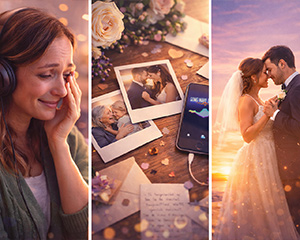
Next step: turn your story into a song people remember
The best AI song generator is the one that matches your purpose. If you are experimenting, prioritise creative range and speed. If you are creating a meaningful gift, prioritise personalisation, emotional fit, and confidence in the final outcome. Define your message first, then choose the workflow that helps you deliver it clearly.
When you are ready to create something personal, start with your story, your recipient, and the moment you want to honour. You can begin your song at Song Wave Story’s create page and explore styles that turn real memories into music worth keeping.