
If you want to create your own song online free, you absolutely can get a strong first draft today. Browser tools are faster than ever, and you no longer need studio software just to test an idea.
The catch is that most free tools are great at starting songs, not finishing songs. You can get a beat, rough lyrics, and a mood quickly, but quality, emotional detail, and replay value often drop if you stop there.
This guide is for people who want a practical path: what to use first, what to skip, and how to move from “free experiment” to a song that actually feels personal enough to gift, share, or keep as a memory.
One more mistake is skipping emotional sequencing. Strong songs move somewhere: they start with context, build through a change, and finish with meaning. Free tools often output flat emotional lines unless you guide that arc deliberately.
Another mistake is not saving versions. Keep the best lines in a notes file as you iterate. Even when a full output is weak, individual phrases may be excellent. Building from your own “best line bank” creates better songs than starting from zero each time.
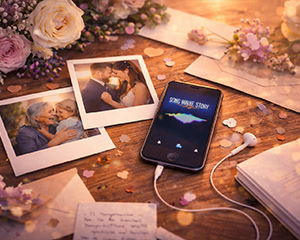
What “online free” really gives you (and what it does not)
Free online song tools usually give you one of three things: lyric generation, melody/chord suggestions, or full AI demo tracks from a text prompt. That is enough to test direction quickly, which is exactly why they are useful at the beginning.
What free versions rarely give you is consistency. You may get one strong output and five weak ones. You may hit limits on downloads, audio quality, editing controls, or commercial usage. If you are making a meaningful song for a partner, spouse, family member, or close friend, those limits matter.
A simple rule helps: use free online tools for discovery, then use a focused process for personal quality. Discovery is about speed. Quality is about emotional precision and final polish.
Think of free tools like a songwriting sketchbook. Sketchbooks are powerful because they remove pressure, but they are not where finished gallery pieces usually stay. That mindset prevents frustration and helps you make better decisions faster.
Another important expectation: “free” often means platform branding, capped generations, or waiting queues during busy times. None of that makes the tools bad, but it changes how you should plan if you are creating for a specific date.
Choose your free starting path in under 10 minutes
Most people waste time because they test too many tools without a goal. Pick your route first, then choose a tool that matches it.
Path A: “I only need lyric ideas”
Start with a lyric-focused generator. Feed it specifics: names, places, inside jokes, and one turning point in your story. Generic prompts create generic lyrics. Specific prompts create lines you can actually use.
Path B: “I need a fast demo song”
Use a text-to-song tool to hear structure and pacing. Treat the first outputs as prototypes, not final tracks. Keep what works: a hook line, rhythm feel, or chorus cadence.
Path C: “I have lyrics but no musical direction”
Use free chord and melody helpers to test tone. Minor keys often feel reflective; major keys feel brighter. Tempo also changes meaning: slower can feel intimate, faster can feel celebratory.
If you are unsure, pick one emotion and one listener. “Hopeful for my wife” is better than “romantic maybe pop maybe acoustic.” Clear intent saves hours.
Set a timer for ten minutes and commit to one path. This removes perfection pressure and helps you make objective choices. At the end of the timer, keep only outputs that contain at least one line, melody fragment, or rhythm idea worth reusing.
If nothing useful appears after three targeted attempts, switch paths instead of endlessly regenerating. This small constraint keeps momentum high and avoids the common trap of blaming yourself for tool limitations.
How to write a free online song that still sounds personal
The biggest quality gap in free tools is emotional specificity. The model can generate “nice” lines, but it cannot guess what matters most in your relationship unless you tell it clearly.
Use this four-part input before each generation:
- Person: who the song is for and how you relate to them.
- Moments: two concrete memories (place, phrase, or event).
- Promise: one line about what you want them to feel.
- Style: one genre and one energy word (e.g., acoustic + warm).
Then review each result with one question: “Could this line belong to anybody?” If yes, replace it. Strong personal songs include details only your person would recognise.
You can also improve weak lyrics by tightening structure: keep verses story-based and let the chorus carry the emotional message. If every line tries to be dramatic, nothing lands. Contrast creates impact.
A useful editing method is “replace one abstract noun per line.” Swap words like “love,” “life,” or “forever” for image-based details: the beach road you always drive, the song lyric you both quote, the café where something changed. Images make songs believable.
Rhythm matters too. Read your lyrics out loud before generating audio. If you naturally pause in strange places, the sung version will probably feel clunky. Small phrasing changes can transform a line from awkward to memorable.
Finally, protect the chorus. Keep it short, easy to remember, and emotionally clear. Verses can hold detail, but the chorus should deliver the core message in a way someone could repeat after one listen.
Common free-tool mistakes that make songs feel generic
People often think the issue is the tool, but the issue is usually workflow. These are the most common avoidable mistakes:
- Prompt overload: asking for too many moods and genres at once.
- No audience focus: writing for “everyone” instead of one recipient.
- One-take publishing: sharing the first output without editing.
- Vague language: using abstract words instead of lived details.
- Ignoring playback context: not testing on phone speakers and earbuds.
Free online creation works best when you run short iteration loops: generate, trim, rewrite, retest. Two or three clean loops beat twenty random generations.
Also check pronunciation and clarity. AI voices can misread names or places. A line that looks fine in text can sound awkward when sung. Always listen all the way through before deciding it is done.

When free is enough — and when to upgrade
Free is enough when your goal is experimentation, drafts, and idea validation. It is perfect for testing whether the concept works before you commit time or money.
Upgrade when outcome quality matters: anniversaries, birthdays, weddings, memorial tributes, or any moment where emotional accuracy is the point. In those cases, you need a process built for personal storytelling, not just random generation.
A helpful threshold: if you would feel disappointed hearing a generic line at the key moment, do not rely on a purely free one-click output. Move to a process that captures your story properly and gives you confidence before payment.
If timing is important, decide your threshold early. For example: “If I cannot get a chorus I am proud of in 45 minutes, I will switch to a guided custom workflow.” This protects both your time and the emotional outcome.
Many people also underestimate delivery context. A song for a private keepsake can tolerate rough edges. A song played at a dinner, wedding, or tribute gathering needs cleaner pacing, clearer vocal tone, and stronger lyrical coherence.
From browser draft to gift-ready track: when Song Wave Story makes sense
If you started by trying to create your own song online free, Song Wave Story is a natural next step when you want a result that actually sounds like your story.
Instead of chasing endless prompts, you submit structured personal details and get a custom song shaped around your moment. That means less guesswork, clearer emotional direction, and a final result designed for gifting or keepsake use.
Another trust point people care about: you can preview before payment, which reduces hesitation. If you are creating a song for someone important, that confidence matters. You are not gambling on a random output.
It is also easier for non-musicians. You do not need to learn production software or lyric engineering. You just need to know the person, the moment, and the feeling you want to communicate.
For many buyers, the winning workflow is simple: use free tools to discover your direction, then use Song Wave Story’s guided creation flow to produce a polished, meaningful version you are proud to share.
There is also a practical confidence benefit. Instead of spending hours toggling tools and prompts, you move through a clear path that is built around storytelling outcomes. That structure helps you focus on meaning, not software choices.
When buyers compare options, they usually care about three things: “Will this feel personal?”, “Will this sound good enough?”, and “Will I regret buying blind?” A guided process with previews directly addresses those concerns in a way most free experiments cannot.
If you are still comparing routes, you can check the pricing options and decide based on how important this specific moment is to you.
FAQ: create your own song online free
Can I really create a song online for free without music skills?
Yes. Free online tools can generate lyrics, melodies, and demo tracks quickly. You do not need technical production skills to start, but you may need editing for a polished final result.
What is the best free approach for a personalised gift song?
Use free tools for early drafts, then refine with specific personal details. For important gifts, many people move to a guided custom service to avoid generic wording and inconsistent audio quality.
Are free online songs good enough for birthdays or anniversaries?
Sometimes, especially for casual sharing. For high-stakes moments, free outputs can feel hit-or-miss. A more structured custom process is usually better when emotional impact matters.
How do I stop AI-generated lyrics sounding generic?
Include concrete details: names, shared memories, phrases, and a clear emotional goal. Then edit any line that could apply to anyone. Specificity is the fastest way to improve authenticity.
Can I hear examples before committing to a paid custom song?
Yes. You can review real demo examples here, which helps you decide style and quality expectations before placing an order.
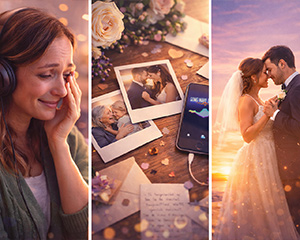
Your fastest path from free idea to meaningful finished song
Start free, but start smart: pick one goal, one recipient, and one emotional outcome. Use online free tools to discover direction quickly, then decide if the result is strong enough for the moment you care about.
If it needs to feel truly personal, move from random generation to guided custom creation. That is how you turn a rough concept into a song people remember — not just another AI output they forget tomorrow.
When you are ready, you can create your song here, or browse common questions first if you want to compare options with confidence.