
If you are searching for a good song to play at a funeral, you are usually not looking for “just a song”. You are trying to hold grief, love, and respect in one moment without getting it wrong. A good funeral song should help people feel the life that was lived, not just the loss that is being carried.
The right choice depends on context: the person’s character, the tone of the service, family beliefs, and the exact moment when music will be played. A song that feels comforting in a photo tribute can feel too lyrical during a silent reflection. A song that works for close family may not suit a broader mixed-age congregation. Choosing well is less about popularity and more about fit.
This guide gives you a practical framework so you can choose with confidence. You will see how to match music to the funeral setting, how to avoid common mistakes, and when a personalised memorial song from Song Wave Story can be the most meaningful option—especially when no existing track quite captures the person you are honouring.

How to choose a good song to play at a funeral: a five-part decision framework
When emotions are high, decisions feel harder. A simple framework prevents second-guessing and helps families align quickly.
1) Define the purpose of the song in that exact moment
Funeral music usually serves one of four purposes: welcome, reflection, tribute, or farewell. Decide which one you need first. If you need calm arrival energy, choose gentle and steady. If you need a life-story tribute, lyrics and memory cues matter more. If you need a closing song, pick something that leaves people with warmth rather than emotional whiplash.
2) Match the song to the person, not to a trend
A good funeral song should feel believable for the person being remembered. Think about how they lived: quiet, humorous, spiritual, practical, artistic, family-centred. The song does not have to be their favourite artist, but it should feel like it belongs in their story.
3) Consider the room, not only immediate family
Services often include different generations, friends, colleagues, and extended whānau/family. A song can be deeply personal without being confusing or exclusionary. If a lyric reference is very private, it may suit a slideshow or reception rather than the central service moment.
4) Check lyrical suitability line by line
People often choose by melody and discover late that one lyric feels jarring. Read lyrics in plain text before confirming. Avoid lines that unintentionally minimise grief, create theological conflict, or introduce tone that clashes with the service.
5) Place each song deliberately in the run sheet
Most services work better with 2–4 song moments rather than one track forced to carry everything. Typical placement:
- Arrival: soft and grounding
- Photo or memory segment: personal and narrative
- Reflection/prayer: slower, spacious
- Exit: gentle, grateful, or quietly hopeful
If you apply this framework, you usually end up with music that feels intentional and kind, rather than random or rushed.
What makes a funeral song feel “right” to mourners
People rarely describe a good funeral song as “technically perfect”. They describe how it made the room feel. These are the qualities that consistently work:
- Emotional honesty: the song acknowledges loss without becoming melodramatic.
- Respectful pacing: slower tempos often support breath and reflection.
- Clear meaning: listeners can quickly understand the emotional message.
- Memory resonance: details or themes that connect to the person’s life.
- Service compatibility: fits faith or cultural context where relevant.
In practical terms, a good song to play at a funeral should lower anxiety in the room, create shared connection, and support remembrance. If a track pulls attention to itself as “a performance”, it may be better for another setting.
Common mistakes when picking a funeral song (and how to avoid them)
Even caring families make avoidable errors when time pressure and grief collide. Watch for these pitfalls:
Choosing only by popularity
A famous funeral song is not automatically right for your person. Use relevance first, familiarity second.
Ignoring context of use
The same song can be moving in a slideshow and awkward during a reading. Always test in the actual placement.
Using heavy lyrics too early
Opening with the most emotionally intense song can overwhelm people before the service has settled. Build emotional flow gradually.
Overloading the service with too many tracks
More songs do not equal more meaning. Three well-placed pieces usually outperform six rushed ones.
Not previewing audio quality and length
Confirm volume levels, start/stop points, and clean edits with the venue tech or funeral director in advance.
These fixes are small, but they materially improve the experience for everyone present.
A simple scoring method to compare funeral song options quickly
If your family has a shortlist and cannot decide, score each option out of 5 across five criteria. This keeps discussion constructive and reduces emotional gridlock.
- Personal fit: does this sound like the person we are honouring?
- Lyric suitability: are there any lines that feel off for this service?
- Moment fit: does it match the exact place in the run sheet?
- Audience fit: will most people in the room connect with it?
- Emotional after-feel: does it leave the room steadier, not heavier?
Anything under 16/25 is usually a “no”. Songs around 20/25 often feel strong in practice. This method is not about making grief clinical; it simply gives families a calm way to choose when everyone is tired and emotionally stretched.
Where each type of funeral song works best in the service timeline
Placement can matter more than genre. A track that feels perfect in one segment can feel mismatched in another. Use this quick map when planning:
- Before the service starts: low-intensity instrumentals or gentle vocal tracks to settle the room.
- After opening words: a focused tribute song that introduces the person’s story.
- Photo montage: narrative lyrics or personalised songs with recognisable memory cues.
- Committal or final reflection: spacious, respectful songs that allow silence around them.
- Exit: warm, supportive tone that helps people move from ceremony into connection.
If the service includes livestream viewers, choose tracks with clear emotional messaging and avoid anything that relies on in-room humour to make sense. Remote listeners need lyrical clarity to feel included.
For families comparing traditional songs against custom options, a hybrid approach often works best: keep a familiar hymn or classic for ceremonial structure, then use one personalised song as the emotional centrepiece. This combination respects tradition while still honouring the individual life in a direct way.

Why a personalised memorial song can be the strongest choice
Sometimes every existing song is “close” but none truly fits. That is where a personalised memorial song is often the best answer.
With Song Wave Story, families can create a tribute that reflects the person’s actual life: names, places, family roles, values, and defining memories. This shifts the moment from generic sadness to meaningful remembrance.
A personalised song is especially suitable when:
- the person had a unique story not reflected in standard lyrics
- you want a dedicated soundtrack for a photo montage
- multiple family members want one shared keepsake after the service
- you need a respectful tone with specific emotional intent
It also helps reduce compromise. Instead of debating between two imperfect tracks, you create one tribute designed for this person and this farewell.
Trust signals families look for before choosing custom memorial music
During bereavement, confidence matters. Families tend to proceed when four trust points are clear:
- Simple process: easy steps, no music-production knowledge needed.
- Preview before payment: you can hear direction before committing.
- Tone control: reflective, grateful, spiritual, or celebration-of-life emphasis.
- Keepsake value: a lasting audio tribute for anniversaries and family milestones.
Song Wave Story is built around these practical trust needs. If you are still comparing options, review the guides, listen to examples, and check common questions in the FAQ section before deciding.
How to gather the right details for a meaningful custom funeral song
The strongest results come from specific inputs, not long inputs. A short, honest set of details is enough:
- their role in the family (mum, dad, partner, sibling, friend)
- 3–5 personality traits people instantly recognise
- 2–4 memory anchors (places, routines, sayings, milestones)
- the emotional message you want the song to carry
- where it will be used (service, slideshow, reception, private listening)
If you are unsure how to start, a useful prompt is: “What would people say in one sentence when they hear this song?” That sentence usually points you to the right tone and lyrical direction.
Is a personalised song suitable for religious or formal funerals?
Yes—when positioned appropriately. In many formal services, families keep hymns or traditional pieces for liturgical moments, then use a personalised song for slideshow, reflection, or gathering afterwards. This approach respects the service structure while still giving space for individual tribute.
If you expect mixed preferences in the room, use a two-layer plan:
- Layer 1: familiar, traditional music in core ceremonial moments
- Layer 2: personalised tribute in memory-focused segments
That balance often resolves conflict and makes everyone feel considered.
Frequently asked questions about finding a good song to play at a funeral
What is a good song to play at a funeral if we cannot agree as a family?
Use purpose-based selection. Decide where the song will sit in the service, then shortlist options that match that moment. If consensus is still hard, a personalised memorial song can blend family priorities into one tribute.
How many songs should a funeral service usually include?
Most services work best with two to four planned music points. Too many tracks can fragment the flow. Focus on quality of placement rather than quantity.
Should funeral songs always be slow and sad?
Not always. They should be respectful and emotionally appropriate. Some families choose warm, grateful, or gently uplifting songs, especially for celebration-of-life segments.
Can a custom song be used for a slideshow and kept afterwards?
Yes. That is one of the main benefits. A personalised song can support the service and become a long-term family keepsake for remembrance dates.
How do we know if a song is truly suitable?
Check lyric meaning, service context, and audience fit. If the song feels honest to the person’s life and supports the room emotionally, it is likely a strong choice.
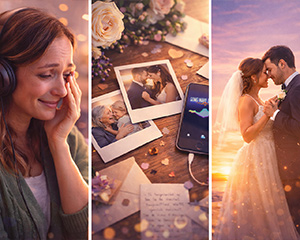
Choose music that helps people remember the person, not just the moment
A good song to play at a funeral is one that feels true, respectful, and emotionally useful for everyone in the room. When in doubt, choose clarity over complexity: match the song to the moment, the person, and the message you want to leave behind.
If no existing track feels quite right, creating a personalised memorial song with Song Wave Story gives you a practical and meaningful alternative. It can honour a life with specificity, support the service with care, and remain with the family long after the day itself.
When words are hard, music can hold what matters most.