
Searching for instrumental music for memorial service usually means you need calm, emotionally supportive sound without lyrics competing with prayers, speeches, or personal reflection.
Instrumental tracks are often the glue that holds a service together. They ease transitions, protect quiet moments, and create atmosphere when words are hard to find. Done well, they make the day feel thoughtful and dignified from start to finish.
This guide explains how to choose memorial instrumentals by function, match arrangement style to the person being remembered, and use one personalised instrumental tribute when standard library tracks feel too generic.

Why instrumental music is so effective in memorial services
Lyrics can be powerful, but they can also narrow interpretation. Instrumental music gives mourners space to bring their own memories into the moment. That flexibility is one reason families and officiants rely on it so heavily.
Instrumentals are especially valuable when:
- the audience is culturally or spiritually diverse, and lyric assumptions may not fit everyone;
- multiple speakers are sharing stories and you need smooth transitions;
- you want emotional support under visuals without distracting from photos or video;
- family members feel too overwhelmed to sing or lead vocal moments.
From a practical perspective, instrumental tracks are easier to cue, fade, and loop cleanly. They reduce performance pressure and often translate better in livestream audio than dense vocal recordings.
Most importantly, they preserve dignity. Silence plus gentle instrumental underscoring can help people breathe, cry, pray, and remember without feeling emotionally pushed.
Choose instrumental music by service role, not by random mood
The easiest way to build a strong set is to assign each track a role. This prevents repetitive tone and gives the service a clear emotional progression.
Prelude (guest arrival)
Use soft piano, strings, light acoustic guitar, or ambient orchestral textures. Aim for steadiness over dramatic melody. Guests are arriving with different emotional states; your goal is grounding.
Processional
Choose pieces with clear phrasing and measured pace. Too slow can feel heavy; too bright can feel abrupt. A dignified middle tempo often works best.
Between readings and reflections
Short instrumentals (45 to 90 seconds) are ideal. They provide emotional transition and cover movement at lecterns or seating changes without dead air.
Slideshow or memory video
Select tracks with gentle dynamic build and consistent tempo. Avoid sudden key changes or cinematic swells that overpower visuals.
Committal or closing farewell
End with warmth and quiet strength. Many families choose arrangements that feel hopeful, even if subtle, so guests leave supported rather than stunned.
When each piece has a job, the service feels intentional and caring. Randomly selected “nice instrumentals” can still sound disjointed if they are not mapped to specific moments.
Best instrumental styles for different memorial atmospheres
Style should reflect the person and the room. Here are common choices and when they tend to work best:
- Solo piano: intimate, reflective, versatile. Great for small chapels and family-led services.
- Strings (quartet or orchestral): formal, ceremonial, timeless. Useful for traditional venues.
- Acoustic guitar: warm, personal, less formal. Often fits celebration-of-life settings.
- Soft ambient/cinematic: modern and spacious. Helpful for video tributes and contemporary formats.
- Instrumental hymns: faith-grounded without lyrical constraint. Strong for mixed congregational contexts.
If the person loved a specific genre, consider an instrumental arrangement of a meaningful song. Familiar melody without lyrics can preserve identity while keeping focus on the ceremony.
Avoid extremes unless intentionally desired. Very sparse tracks can feel cold in large rooms; highly dramatic scores can feel emotionally manipulative. Mid-intensity pieces generally support grief more respectfully.

When to use a personalised instrumental tribute
Library instrumentals are useful, but they can feel anonymous. A personalised instrumental memorial piece gives families something unique without requiring lyrics.
This works particularly well when:
- you want one central theme woven through several service moments;
- the loved one had specific musical tastes you want reflected subtly;
- you need a distinctive soundtrack for a photo montage or tribute video;
- you prefer emotional expression without vocal content.
Song Wave Story can be used to create personalised memorial music with your chosen emotional tone and story context. Even in instrumental-focused planning, families often appreciate having one custom piece that carries identity, then surrounding it with familiar supporting tracks.
Because the process is guided and previewable, it is easier than commissioning from scratch under deadline pressure. You can review direction, adjust to fit the service flow, and use the final piece in memorial day audio plus future remembrance moments.
For planning confidence, review guides, FAQs, and pricing before selecting your final format.
Technical checklist for clean memorial audio playback
Even excellent music can fail if playback is unreliable. Use this checklist:
- Standardise files: keep WAV or high-quality MP3 copies in one folder.
- Name tracks by cue order: 01-prelude, 02-processional, and so on.
- Set cue points: mark exact start/fade times in a printed run sheet.
- Test venue system: check volume, bass balance, and speech intelligibility.
- Prepare backups: one laptop/phone primary, one secondary device offline.
- Assign one audio lead: avoid multiple people making live playback decisions.
If livestreaming, run a private test and listen remotely on headphones. In-room balance is often different from stream balance. Small pre-checks prevent major stress on the day.
Also coordinate with celebrant or clergy so they know where instrumental beds begin and end. Shared timing avoids speaking over key musical moments and keeps transitions natural.
Sample instrumental run plans for 30, 45, and 60 minute services
Families frequently ask how many tracks are actually needed. The answer depends on service duration and speaking density. Here are practical starting points.
30-minute service
Use one prelude track (4-6 minutes), one processional cue (2-3 minutes), two short transition beds (60-90 seconds each), one slideshow piece (3-4 minutes), and one closing instrumental (3-5 minutes). Total: roughly 15 to 20 minutes of music.
45-minute service
Add one additional reflection bed and a second slideshow-support track if needed. Keep transitions brief so spoken moments remain central. Total: roughly 20 to 28 minutes of music.
60-minute service
Use broader dynamic range: calm prelude, dignified processional, two to three transition beds, one extended montage cue, one post-eulogy reflective piece, and one hopeful close. Total: roughly 25 to 35 minutes of music.
These frameworks are intentionally simple. They prevent under-planning while avoiding overloaded playlists that stress operators and dilute emotional focus.
How to make instrumentals feel personal when there are no lyrics
Personal meaning in instrumental memorial music comes from melody association, arrangement colour, and placement. You can still communicate identity without words if you design intentionally.
Start by identifying musical fingerprints of the person: did they love piano ballads, jazz harmony, church organ, cinematic strings, or acoustic folk guitar? Matching these preferences immediately increases emotional relevance.
Next, map musical texture to memory themes:
- Gentle piano arpeggios can mirror tenderness and everyday affection.
- Warm strings often support dignity and ceremonial respect.
- Light guitar patterns can suggest informality, humour, and approachability.
- Subtle ambient pads can create spacious calm in reflective moments.
Placement then does the final work. A personalised instrumental under a photo montage often lands strongly because guests are simultaneously seeing life moments and hearing a unique emotional frame. Even when they do not know the technical music details, they feel coherence.
If possible, use one recurring melodic motif in two places: during slideshow and near closing. Repetition creates narrative continuity and helps the service feel thoughtfully composed rather than assembled from unrelated tracks.
Families also value post-service usefulness. Instrumentals are easier to revisit privately while journaling, praying, or looking through photos. This long-tail role is one reason custom instrumental tributes often become keepsakes rather than one-day assets.
Venue and production factors that influence instrumental choice
A track that sounds beautiful on headphones may fail in a live room. Consider venue acoustics before finalising.
- Large reverberant spaces: choose slower, simpler arrangements so notes do not blur.
- Small dry rooms: warmer recordings with gentle ambience can avoid sounding stark.
- Outdoor memorials: prioritise clear midrange and avoid ultra-quiet passages that vanish in wind noise.
- Livestream-heavy services: pick mixes with defined melody, not only low-end ambience.
Coordinate with whoever handles microphones. Speech and music should be treated as one sound design plan, not two separate tasks. Smooth fades and consistent loudness make a huge difference to how cared-for the day feels.
When these technical details are planned early, families can stay emotionally present instead of dealing with preventable audio issues.
When in doubt, favour clarity over complexity. Simple, warm arrangements almost always serve memorial spaces better than intricate production that draws attention to itself.
After the service, keep your final playlist and cue sheet archived with photos and order-of-service documents. Families often revisit memorial music on anniversaries, birthdays, and remembrance gatherings. Having an organised set ready makes those later moments easier and more meaningful.
That small preparation turns music into an ongoing family resource, not a one-off task.
FAQ: instrumental music for memorial service
How much instrumental music should a memorial service include?
Many services use instrumentals across most transitions plus arrival and closing. The exact amount depends on speaking length, but intentional placement is more important than total minutes.
Is instrumental music better than songs with lyrics?
Neither is universally better. Instrumentals are best for flexibility and reflection, while lyrical songs work when specific words are part of the tribute. Many families use both.
Can we use instrumental versions of favourite popular songs?
Yes, if they suit the tone and are legally sourced for playback. Familiar melodies can feel deeply personal while staying appropriate for ceremonial moments.
What tempo works best for memorial instrumentals?
Slow to mid tempo usually supports reflection and movement logistics. Very fast or highly dramatic tempos can feel distracting unless intentionally chosen for celebration segments.
Should we include one custom instrumental piece?
If you want a unique centrepiece without lyrics, a custom instrumental is an excellent option. It can unify slideshow, transition, and closing moments.
Where can we create personalised memorial music?
You can begin at Song Wave Story and build a personalised track that fits your memorial tone and story.
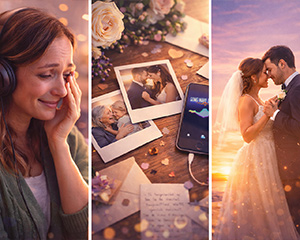
Use instrumental music to create space, dignity, and connection
The right instrumental music for memorial service planning does more than fill silence. It creates breathing room for grief, memory, and gratitude to coexist.
Choose by service role, keep style person-centred, and prepare playback details early. If standard tracks feel too generic, add one personalised instrumental tribute to anchor the day in who they truly were.
When you are ready, create that personalised memorial piece at Song Wave Story and shape a service soundtrack that feels both calm and deeply personal.