
If you want to write a personalised song for your mum, you do not need to be a professional songwriter to create something deeply meaningful. What matters most is emotional honesty, specific memories, and a structure that helps your words flow naturally.
A song for your mum can express appreciation that everyday conversation often misses. It can capture small moments, life lessons, and quiet sacrifices in a way that feels personal and lasting. Done well, it becomes more than a gift — it becomes a keepsake she can replay for years.
This guide gives you a practical step-by-step process to write a personalised song for your mum, even if you have never written lyrics before. You will learn how to choose the right tone, gather the best story details, and shape everything into a clear, singable song.

Start with one clear emotional goal
Before writing lyrics, decide what you want your mum to feel when she hears the chorus. Do you want her to feel proud, comforted, celebrated, or deeply appreciated? One clear emotional target gives your song direction and prevents it from becoming a list of unrelated lines.
A simple way to choose your direction is to complete this sentence: “I want Mum to feel ___ when she hears this.” Keep the answer short. Every verse and chorus line should support that feeling.
Choose the right perspective and voice
Most personalised songs for mums work best in first person. Writing as “I” to “you” creates direct emotional connection. It sounds intimate and natural, especially for family moments.
Keep your voice authentic. If you normally speak in plain language, write in plain language. If your family uses humour and nicknames, include those naturally. Your mum will connect more with familiar voice than with overly poetic lines that do not sound like you.
Collect memory anchors before drafting lyrics
Specificity makes personalised songs powerful. Spend ten minutes writing memory anchors before you draft the first verse. Choose details only your mum would immediately recognise.
Useful memory categories include:
- daily routines she always handled without complaint
- one difficult season she helped you through
- sayings she repeats that shaped your mindset
- family traditions she protected over time
- one ordinary moment that now means a lot
These anchors stop your lyrics from sounding generic and make the final song feel unmistakably personal.
Use a simple structure you can finish
A practical structure for a personalised song is: Verse 1, Chorus, Verse 2, Chorus, Bridge, Final Chorus. This gives you enough space to tell a story without overcomplicating your writing process.
Think of each section as having one job. Verse 1 introduces appreciation. Verse 2 adds deeper reflection or growth. The bridge can express a future promise or heartfelt thank-you. The chorus carries the core emotional message and should be easy to remember.
Write the chorus first if you feel stuck
The chorus is the emotional centre of the song. If you are blocked, start there. Write one clear hook line that summarises what your mum means to you. Keep it short, singable, and repeatable.
A good chorus often combines three elements: who she is to you, what she gave you, and how you feel now. You do not need complex language. Simple truth usually has the strongest impact.

Edit for clarity, rhythm, and emotional truth
First drafts are rarely final. Read your lyrics out loud slowly and listen for awkward phrasing. If a line feels forced, rewrite it using words you naturally say. If a line is vague, replace it with one specific image.
Use this quick edit test for each line:
- Can I picture this moment clearly?
- Would I actually say this in real life?
- Does this line move the song emotion forward?
If the answer is no, refine the line before moving on. Tight editing transforms a good idea into a memorable song.
How to choose melody and style for your mum
Style should follow personality, not trends. If your mum loves calm emotional songs, use a softer acoustic feel. If she enjoys bright celebration energy, choose a more upbeat rhythm. Matching style to her taste makes the song feel thoughtful and intentional.
You do not need complex production to make it work. A clear vocal and meaningful lyrics are enough for strong impact. Simplicity often helps the message land better.
When to write it yourself and when to get support
Writing your own song can be deeply rewarding, especially if you enjoy personal expression. But if time is short or you want polished production quality, guided support may be the better option. You can still keep full emotional ownership by providing your story details and preferred tone.
Song Wave Story is useful for this approach. You can provide key memories, emotional direction, and personal phrases, then receive a finished personalised song shaped around your relationship with your mum. This is often ideal when you want both authenticity and quality.
How to present the song for a stronger moment
The reveal matters. A personalised song is most powerful when introduced intentionally. Give your mum a short message first: why you wrote it, what memories it includes, and what you hope she feels hearing it.
Play it in a quiet moment before a larger family gathering if possible. This lets her absorb the meaning without distraction. You can then replay it later with everyone if she wants to share the experience.
Common mistakes to avoid
The first mistake is trying to include every memory. Too many ideas make lyrics crowded. Pick a few meaningful moments and develop them clearly. The second is writing in abstract emotional language without concrete detail. Specific lines are always stronger than broad compliments.
The third mistake is forcing rhyme at the expense of meaning. If the rhyme sounds unnatural, choose emotional clarity over perfect rhyme. Your mum will remember sincerity more than technical rhyme schemes.
FAQ: Write a personalised song for your mum
Do I need musical experience to write a song for my mum?
No. You can create meaningful lyrics with simple structure and honest detail, even if you are new to songwriting.
How long should a personalised song for mum be?
Most effective songs are around 2 to 4 minutes. That length is enough for emotional depth while staying easy to replay.
What details make a song feel truly personal?
Specific memories, familiar phrases, and real-life moments unique to your relationship are what make the song feel authentic.
Should the song be emotional or upbeat?
Either can work. Choose the tone that best matches your mum’s personality and the feeling you want her to have.
Can I combine my own lyrics with a custom song service?
Yes. Many people provide their ideas, lines, and memory details, then use a service to shape everything into a polished final track.
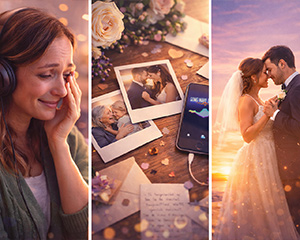
Final step: finish the song and share what matters most
If you want to write a personalised song for your mum, start simple and stay honest. Choose one emotional goal, gather specific memories, build a clear structure, and edit for natural voice. You do not need perfection — you need truth and intention.
Whether you write and perform it yourself or use Song Wave Story to turn your ideas into a polished track, the most important thing is that your mum hears your message clearly. That is what makes this gift unforgettable.